
Sound Mind
Keeping a steady mind when life gets loud.
Before the storm calms, before the water gets still, before the answer comes, there is a deeper question every believer has to face. How do you keep your mind steady while life is moving unstable? That is where rhythm comes in.
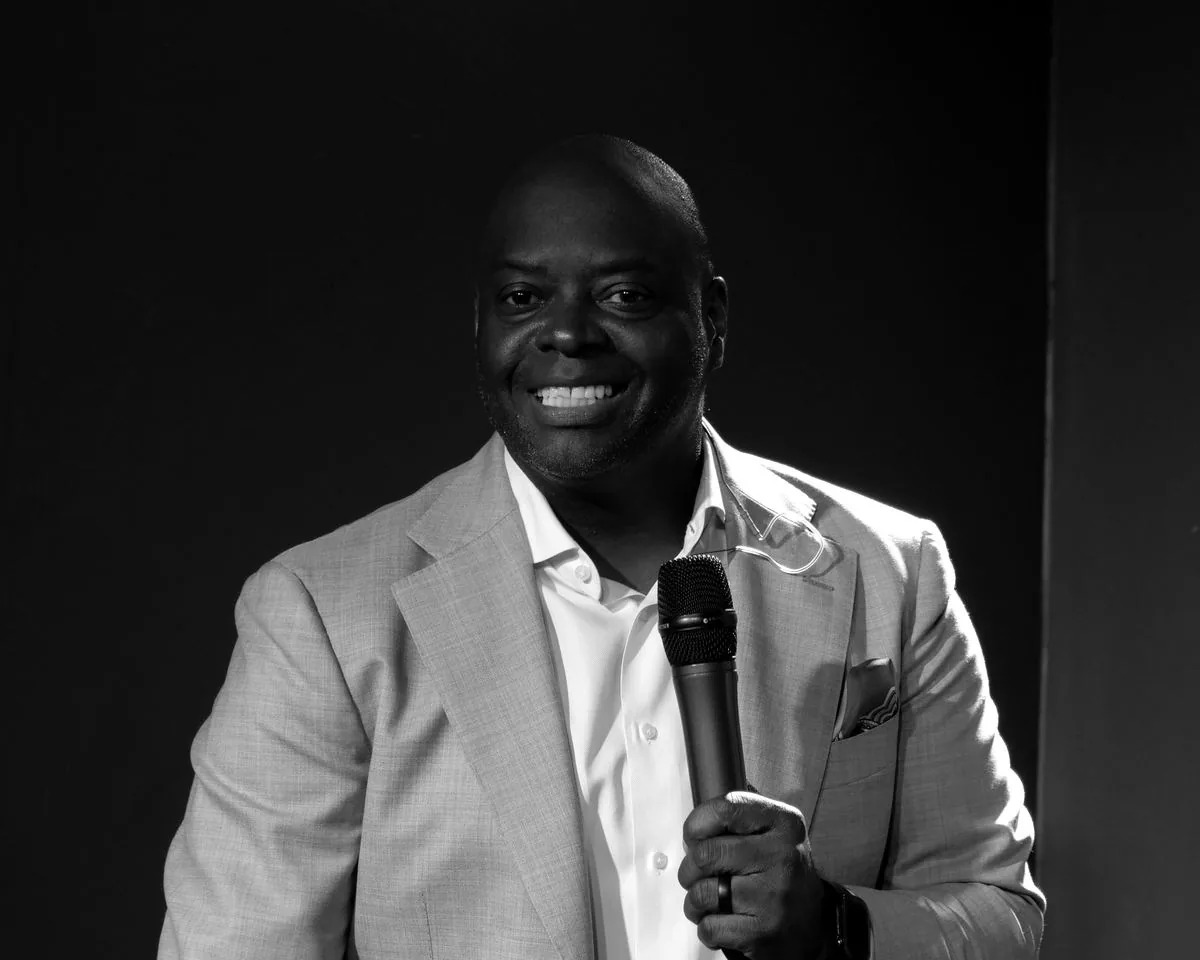
By Anthony Guidry, Lead Pastor of Intentional Church
What rhythm does
Rhythm is what holds the soul together when the pressure is high and the future feels unclear.
It is the cadence that keeps a life from falling apart. If you have ever watched an orchestra, you know the beauty is not just in the instruments. It is in the rhythm. The conductor keeps every section aligned so the sound does not become chaos. If you have ever seen a house being built or a car being assembled, you know that order matters. Every part has to be in place. Every step has to be intentional. That is what rhythm does. Rhythm creates stability.
We see a rhythm in the Scriptures between Peter and Jesus. Jesus sends the disciples ahead, the storm rises, the wind gets loud, and the fear becomes real. Then Jesus comes walking on the water. Peter says, Lord, if it is you, command me to come. Peter steps out of the boat, and for a moment he does what fear said was impossible. He walks on what should have drowned him. But then he sees the wind. His attention shifts. His focus breaks. And when his focus breaks, his footing breaks.
This story is not just about water. It is about attention. It is about rhythm. It is about what happens when the mind loses its center.
Matthew 14:22-33
Five rhythms that protect your peace.
Rhythm is necessary for stability
Peter did not sink because the storm was new. The storm was already there when he stepped out. He sank because his attention shifted from Jesus to the wind. The issue was not just the storm around him. It was the rhythm within him. What you focus on will either sustain you or sink you. A settled mind keeps Christ at the center. A scattered mind turns miracles into emergencies. That is why two people can be in the same storm and have two different outcomes. Jesus did not rebuke Peter for having a need. He rescued Peter when Peter got distracted. That is what Jesus still does.
Rest is a spiritual rhythm
Rest is not laziness. Rest is not quitting. Rest is trust. Rest says, God, I am not the one holding everything together. It is not a reward after collapse. It is a rhythm that keeps collapse away. A lot of people are exhausted not because they are weak, but because they are trying to live without rest. They wake up tired, think tired, pray tired, lead tired, love tired. When you are tired long enough, your focus gets fragile. Create space to breathe before your mind spirals. Treat sleep as stewardship. Stop treating nonstop motion as proof of faithfulness.
Worship is a spiritual rhythm
Worship does not erase the storm, but it changes who is biggest in the storm. Worship says the wind is real, but Jesus is greater. It redirects the soul when anxiety tries to take control. Peter did not step out because he had perfect confidence in himself. He stepped out because he was responding to Jesus. Worship is the same way. It is not about performance. It is about response. Start your day with worship before you check your messages. Praise God before you analyze the problem. Let praise interrupt fear before fear interrupts your peace.
Silence is a spiritual rhythm
Silence is not empty. Silence is space. It is where the soul becomes quiet enough to hear what God is saying underneath the noise. Peter sank when the wind got louder in his attention than Jesus did in his spirit. That is still happening to believers today. The storm may not be killing them, but the noise is exhausting them. The constant notifications, opinions, pressure, comparison, and fear all compete for attention. Silence is how we return to clarity. Step away from unnecessary noise. Sit before God without demanding immediate answers. Use silence to realign your heart.
Consistency creates balance
Rhythm only becomes powerful when it is repeated. One good moment is not enough. One deep prayer is not enough. One Sunday service is not enough. A sound mind is protected through consistency. This is how freedom from anxiety becomes real. Not through a single emotional moment, but through repeated surrender. You keep coming back to rest. You keep coming back to worship. You keep coming back to silence. You keep coming back to Jesus until peace becomes stronger than panic.
Practical
How to stop racing thoughts.
A racing mind is not cured by pretending everything is fine. It is trained through spiritual disciplines, truthful thinking, and repeated surrender. Freedom begins when your mind stops negotiating with fear.
- Pray immediately instead of processing endlessly.
- Replace catastrophic thoughts with Scripture.
- Reduce mental clutter by limiting unnecessary noise.
- Write down recurring fears and answer them with truth.
- Practice one task at a time instead of living fragmented.
- Build rhythms of rest, worship, and silence.
Matthew 6:34 says not to worry about tomorrow, because tomorrow has enough trouble of its own. In other words, stop borrowing pain from a day you have not reached. James 1:8 warns that a double minded person is unstable in all their ways. Double mindedness happens when one part of you trusts God and another part keeps trying to become your own savior.
Psalm 46:10 · Matthew 6:34 · 2 Corinthians 4:18 · James 1:8
The challenge
Do not just ask God for peace. Build a rhythm that can carry it.
Peter sank when his attention shifted, but Jesus still reached for him. That means even when you have drifted, you are not disqualified. Jesus is still calling you back to the water, back to trust, back to peace, back to a sound mind. This week, commit to three things.
- Rest intentionally.
- Worship consistently.
- Sit in silence before God daily.